
The Studio Tour is a citywide fall event when visitors can explore garages and warehouses and see potters and printmakers at work. This year it lands November 14-15 and 21-22.
But if you live near Springdale Road, you can find a different art experience month after month before November arrives. Every first Saturday, from 1 to 4 in the afternoon, the gates at 916 Springdale open for free and welcome visitors to explore.
A Goodwill Warehouse Became the Neighborhood's Anchor
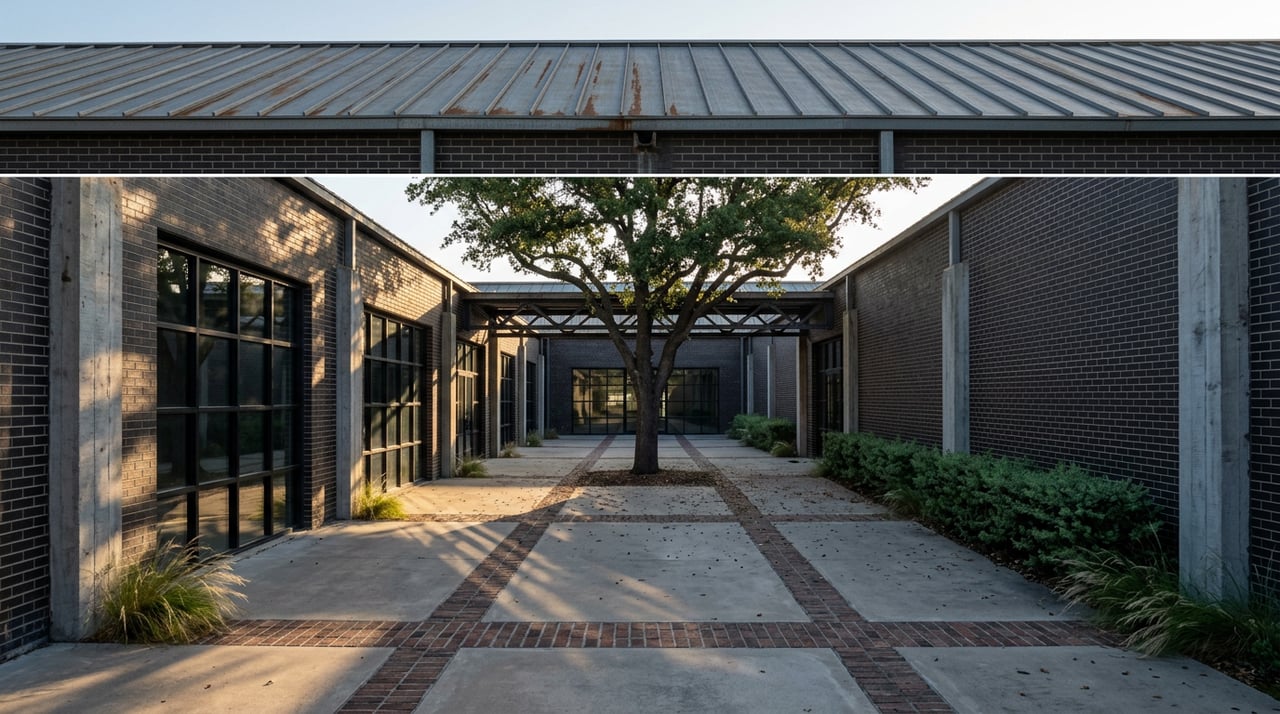
The building doing all this work used to be a Goodwill distribution center. Now it's Canopy, a creative campus spread across almost four acres that's been carved into three connected buildings holding 45 small studios, three galleries, several creative offices, and a café. For years its anchor tenant was Big Medium, the organization that also ran the Texas Biennial and produced the very Studio Tour that draws the November crowds. That overlap matters: the group that built the neighborhood's biggest annual art event was headquartered inside the building that hosts its smallest, most frequent one.
Walk the property on any given first Saturday and the contrast between those two events becomes obvious. Ivester Contemporary, the gallery anchoring one end of Canopy, occupies 1,600 square feet split into three distinct zones: a main exhibition space with 15-foot ceilings for the gallery's primary shows, a project space for work too experimental for a traditional white wall, and a section reserved specifically for Austin-based artists on the roster. Owner Kevin Ivester built the gallery in 2020 on decades of experience in auction houses and conservation work, and it shows in how deliberately the space is organized. A few doors down, ICOSA Collective runs as a nonprofit cooperative, meaning the artists showing there also own a stake in how the gallery operates. SAGE Studio just wrapped its summer show, Bear Hug, which ran from early June through August 29, timed almost exactly to the season Austinites spend avoiding the heat by ducking into air-conditioned galleries.
None of this requires a ticket, a reservation, or a drive across town in November traffic. It requires showing up on a Saturday afternoon that already exists on the calendar twelve times a year.
What Actually Happens on a First Saturday
Open Canopy is a recurring event at Canopy. It's family-friendly, pet-friendly, and centered on Sa-Ten Cafe, the coffee shop that anchors the courtyard and gives the whole afternoon a reason to linger past the first gallery. Sponsors like Dripping Springs Vodka and Meanwhile Beer typically pour free drinks, a DJ works the patio, and the studios stay open long enough that you can circle back to the one piece you kept thinking about on your way to the next building.
The tenant roster changes enough that repeat visits aren't repetitive. Canopy just welcomed Lost Valley Hat Bar into Building 3 in August, a custom hat shop that gives visitors a chance to build their own with charms and accessories, and it's a small, specific addition to the changing tenant mix. Open Canopy offers a monthly way to visit Canopy's studios and galleries, while the Studio Tour is an annual citywide event.
The Part of November That Actually Changed
Here's the detail worth knowing if you've attended the Studio Tour before and assumed this year works the same way: it doesn't, structurally.
For years, the tour split its two weekends geographically. If you wanted the East Austin experience specifically, you picked the east weekend and skipped the rest of the city. That changed when Big Medium, which had run the tour since 2007, handed management to Almost Real Things, an Austin arts nonprofit and magazine publisher, in 2025. The 2026 tour runs citywide across both weekends rather than dividing east from west, which means East Austin no longer has a dedicated weekend. Last year's tour drew 723 participating artists and vendors across 317 locations citywide.
The citywide tour format puts Canopy's monthly event in a different role: it offers another way to experience art near Springdale Road throughout the year.
How the Afternoon Turns Into an Evening
Part of what's changed the neighborhood around Canopy over the past year has nothing to do with art at all. A few blocks over on East Cesar Chavez, Austin Oyster Co. turned its longtime pop-up into a permanent home inside a renovated 1950s bungalow, building its raw bar menu around oysters from its own farm in Brunswick, Maine, with chef Clark Costello running the kitchen. Tucked behind the cocktail bar papercut, Konbini serves a walk-in-only, late-night sushi counter from chefs Michael Carranza and Danielle Martinez, blending Japanese technique with Texan and coastal Mexican influences until the early hours on weekends.
More is on the way. Chef Alejandra Kuri, who spent years working her way up from line cook to executive chef under restaurateur Sam Hellman-Mass, is opening Karaz in East Austin with a menu centered on Middle Eastern flavors and Texas sourcing. On East MLK, chef Emily Rayburn is bringing Howdy's Pizza and Pasta to the corridor, with Italian-inspired dishes built around Central Texas ingredients.
None of that requires planning ahead either. A first Saturday afternoon spent circling Canopy's courtyards ends naturally a few minutes away, on foot or a short drive, at whichever of these spots happens to have a table open.
The Calendar That's Actually Yours
The Studio Tour offers a citywide art event, while Open Canopy provides a recurring afternoon at Canopy: the first Saturday, the same building, the same 1 to 4 window, month after month.
For anyone planning around the November Studio Tour, Canopy's first Saturday offers another date to keep in mind.
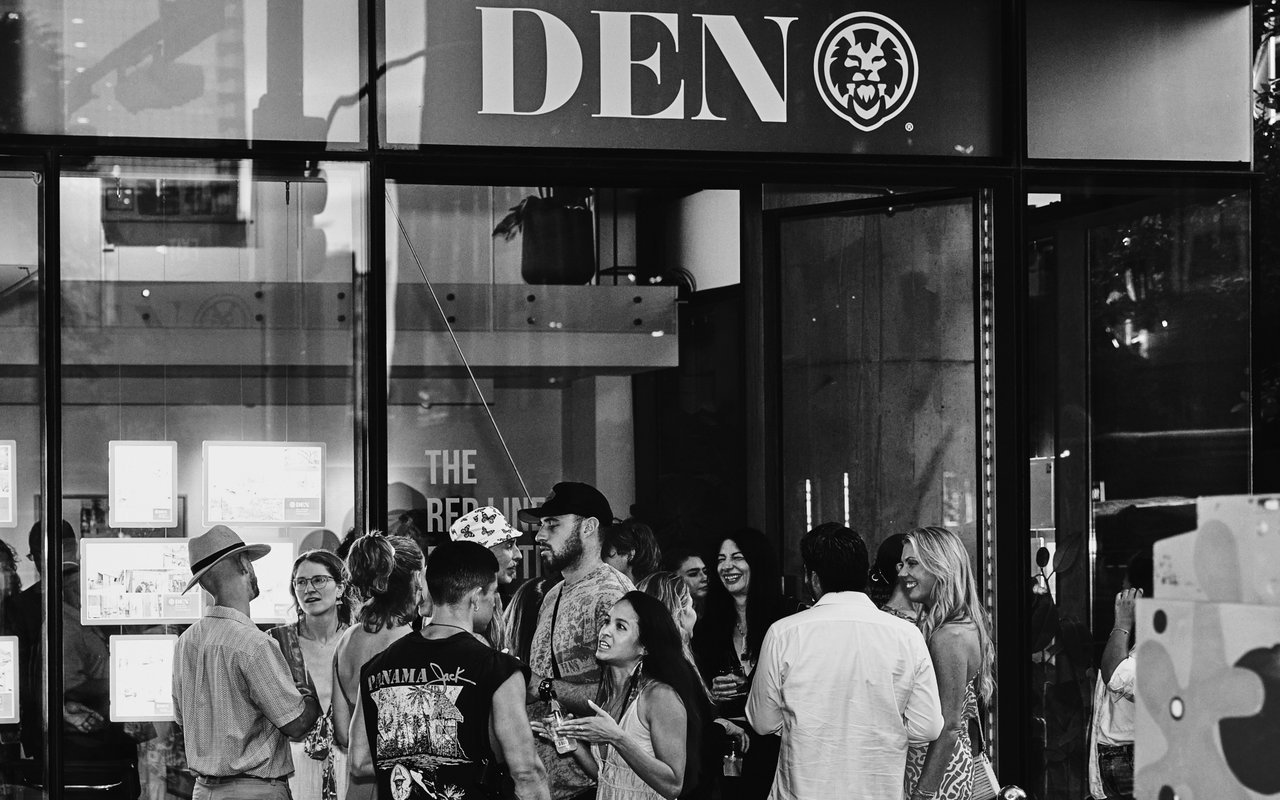
DEN Property Group covers the neighborhoods that make up daily life in Austin, from the studios on Springdale Road to the streets around them, because understanding how a place actually lives is the same work as understanding what it's worth. Find Your DEN.®